
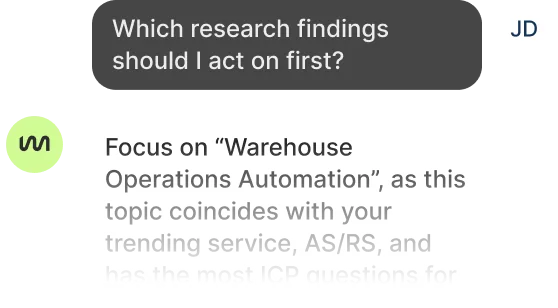
Monitor, flag, and improve your published content, continuously
The Content Optimization Agent connects performance signals to every piece you've published.
How it works
Monitor performance
Eminnt connects to your analytics to track the real-time rankings, traffic, and engagement of every individual asset.
Flag opportunities
Automatically catch declining content before you lose traffic, and quickly spot easy wins — like page-two rankings ready for a boost.
Improve instantly
Refresh content in the exact same workspace it was built. Original brand context and expert insights stay attached for fast updates and seamless LinkedIn promotion.

The B2B content playbook
LivePricing guide 2024
RefreshedMonitor performance
Eminnt connects to your analytics to track the real-time rankings, traffic, and engagement of every individual asset.
The B2B content playbook
LiveFlag opportunities
Automatically catch declining content before you lose traffic, and quickly spot easy wins — like page-two rankings ready for a boost.
Improve instantly
Refresh content in the exact same workspace it was built. Original brand context and expert insights stay attached for fast updates and seamless LinkedIn promotion.
Pricing guide 2024
RefreshedYour content optimization on autopilot
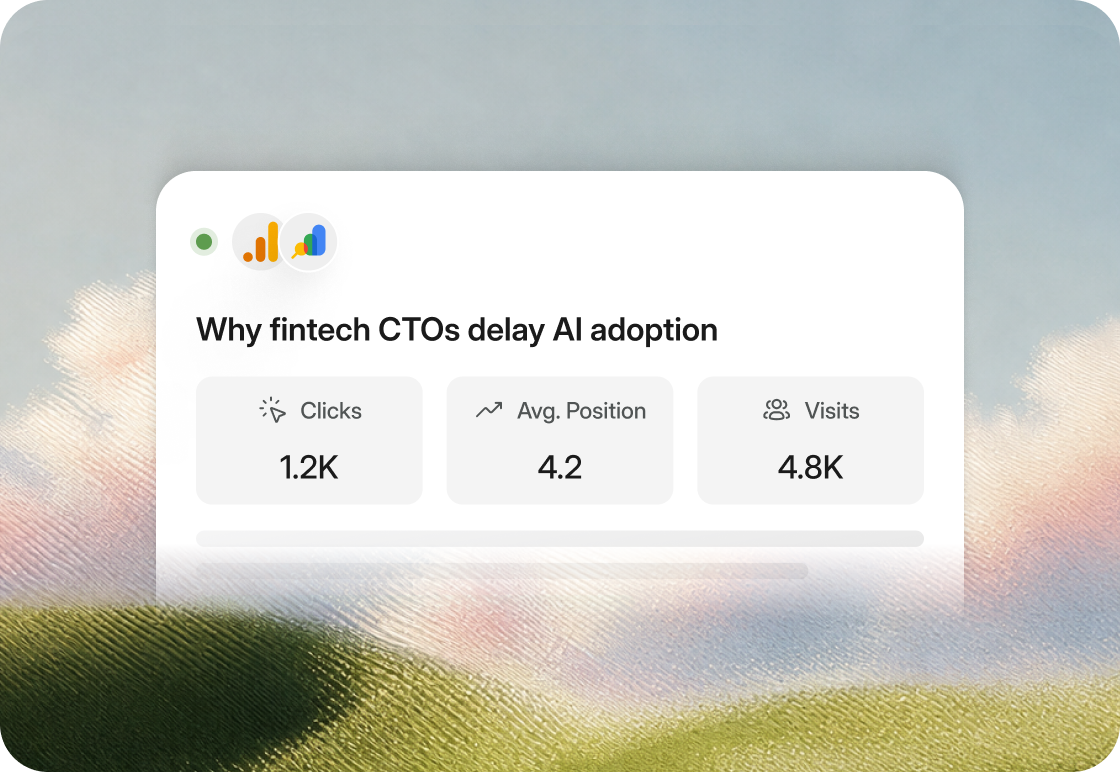
Points you to what needs attention
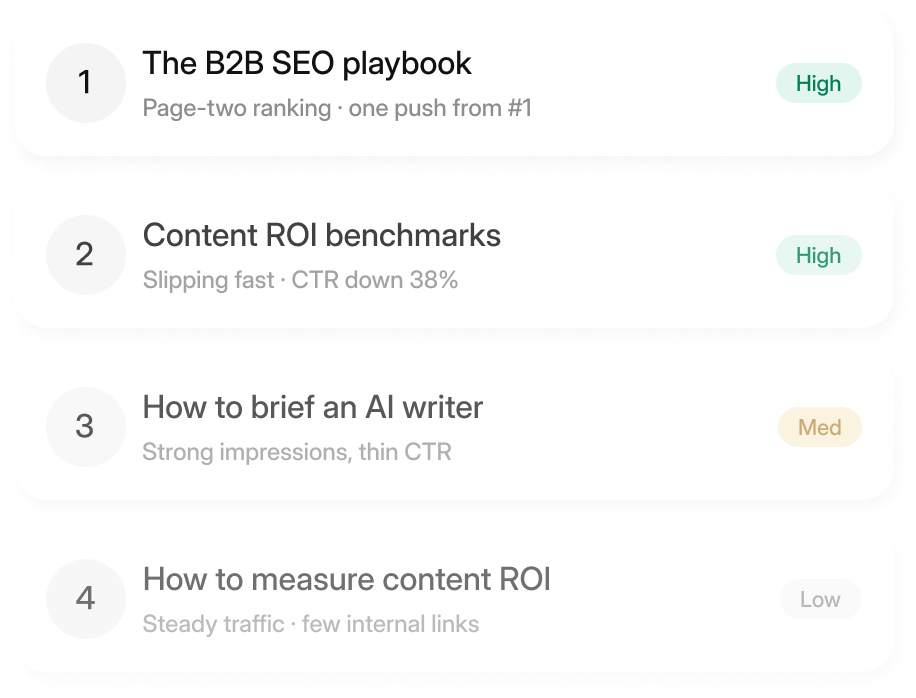
It surfaces pages that are easy wins for maximum search and AI visibility.
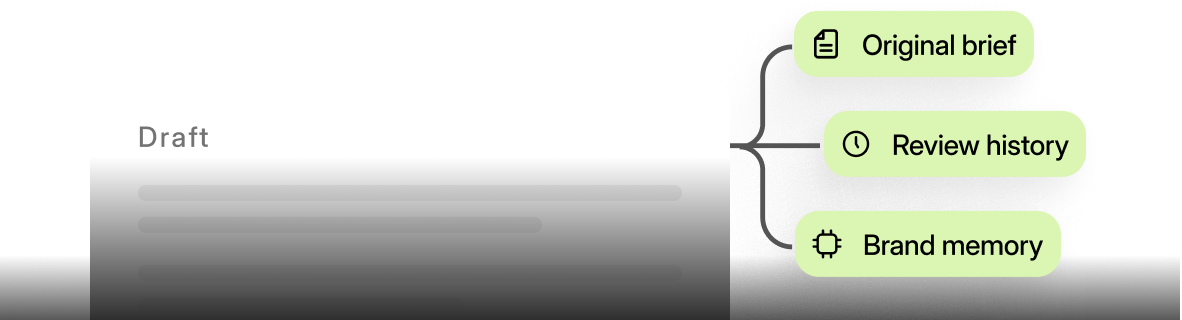
Fix it without starting over
The brief, review history, and brand context are still attached, so improving a piece continues the work.
Know if it's working, not just getting found
Beyond clicks, see whether people actually read and act. Time spent on the page, how far they scroll, and if they take the next step.

Why teams choose Eminnt Content Optimization Agent
Catch declines in days, not quarters.
Continuous monitoring flags a slipping page while there's still time to act, instead of months later.
Refresh the right pages, not the loud ones.
Impact-ranked priorities point effort at the pieces where an improvement actually pays off.
Replaces the weekly dashboard hunt.
GSC and GA4 signals sit next to each piece's brief and history — no cross-referencing three tools to decide what to do.




Keeps published content earning.
Your back catalog stays a compounding asset instead of quietly decaying after launch.
Who it's for
For founder-led companies
Build a personal brand that opens doors before the first meeting — turn your founder story and product conviction into content that earns trust and category authority.
Founder storytelling
LinkedIn presence
Category creation
For B2B SaaS & growth teams
Turn brand knowledge and ICP research into a steady stream of expert, SEO-optimized content — without growing headcount or sacrificing quality.
Brand voice consistency
SEO-optimized articles
Pipeline content
For product marketers
Translate product depth into launch narratives and competitive positioning that resonates with technical and business buyers alike.
Launch narratives
Feature storytelling
Competitive positioning
For agencies
Scale content delivery across clients without scaling your team. Capture each client's voice, product knowledge, and proof points — then produce expert content at speed.
Multi-client workflows
Brand voice capture
Scalable delivery
Your questions, answered
Google Search Console (GSC) and Google Analytics 4 (GA4), through a live Google OAuth integration with a one-time authorization. These are the primary search-visibility and engagement signals for most B2B teams.
No. GSC and GA4 remain your source of truth for detailed analytics. The agent surfaces the signals that matter for content decisions — impressions, clicks, position, engagement — and connects them to the workflow context behind each piece.
Yes. The optimization prioritization view highlights declining or underperforming pieces, filtered by ranking position, impression trends, and CTR, so you focus on the highest-impact improvements.
No. It focuses on search and engagement signals — impressions, clicks, queries, behavior. Full CRM or revenue attribution isn't a current capability; connecting to pipeline requires your CRM or marketing-analytics platform.
It can promote a refreshed blog post to LinkedIn today. Broader automated repurposing — reformatting one piece into multiple new asset types — is on the roadmap, not a current capability.
Yes — GSC and GA4 data covers all published content on your connected domains, however it was created. The full workflow context (brief, review history, brand foundations) is available only for content created through Eminnt.